An APC takes up an antigenic protein performs antigen processing and returns a molecular fraction of ita fraction termed the epitopeand displays it on the APCs surface. MHC class IIdependent B cell APC function is required for induction of CNS autoimmunity independent of myelin-specific antibodies Open access Journal Article DOI.

Difference Between Mhc Class I And Mhc Class Ii Proteins Mhc Class I Class Plasma Membrane
Macrophages B cells and especially dendritic cells DCs.
. Weber 1 Juan C. CD4 receptors and TCRs are located on the membranes of helper T cells. Below Mentioned Are the Major Histocompatibility Complex.
Functions of Major Histocompatibility Complex II. Major histocompatibility complex MHC class II molecules go to extraordinary lengths to make sure that they bind to peptides generated in the endosomallysosomal system reviewed byCresswell 1994. They are considered to be a set of cell surface proteins which basically function to bind with foreign antigens to present them on either of the T cell types.
Structure Function and Regulation of MHC Class II Molecules. Functions of MHC class II proteins. Basic immunology notes CD4 chromosome 6 Functions of MHC class 2 glycoproteins HLA-D loci immunology notes mhc class 1.
MHC Class II presents 14-18 amino acid peptides. MHC class II MHC II Ag presentation by dendritic cells DCs is critical for CD4 T cell immunity. Whenever the CD4 molecule of a naive helper T cell docks to the MHC class II molecule of an APC the TCR might reach and attach the epitope coupled inside the MHC class II.
The major histocompatibility complex MHC of genes consists of a linked set of genetic loci encoding many of the proteins involved in antigen presentation to T cells most notably the MHC class I and class II glycoproteins the MHC molecules that present peptides to the T-cell receptor. LAG-3 is a potent inhibitory co-receptor. MHC Genes and Functions.
Activates B cells for antibody production. CD4T-cells are specific for MHC-II. Main Difference MHC Class 1 vs 2.
Major function of MHC-II is to bind peptide antigen and present to CD4 T cells. MHC class II can be conditionally expressed by all cell types but normally occurs only on professional antigen-presenting cells APCs. Encode glycoproteins expressed on the surface of nearly all nucleated cells.
The three classes of MHC molecules can be identified as class 1 2 and 3. The antigens that are presented by the MHC class II molecules come from an extracellular source. Cell surface levels of MHC II loaded with peptide is controlled by ubiquitination.
The expression of MHC II molecules on thymic epithelial cells. The enzymes that are responsible for generating peptides are cytosolic proteasomes. By generating mice with LAG-3 mutants that are defective in binding to either of its potential ligands Maruhashi et al.
The major histocompatibility complex MHC is a group of genes that encode proteins on the cell surface that have an important role in immune response. LAG-3 inhibits the activation of CD4 T cells when they are stimulated with cognate peptides forming stable but not unstable complexes with MHCII Maruhashi et al 2018Therefore we tested the following two possibilities. It is a collection of genes within a long stretch of DNA on chromosome 6 which codes for 3 classes of molecules.
MHC-II are found on surface of Antigen presenting cells APCs. MHC class II molecules offer exogenous peptides to CD4 T-lymphocyte receptors to commence the normal adaptive response. MHC-II molecules also called human leukocyte antigens HLA in humans are heterodimeric transmembrane glycoproteins consisting of α and β chains.
The outstanding feature of the MHC molecules is their. Antigens presented by MHC class II molecules are derived from extracellular proteins. Specific MHC class II alleles are.
Major Histocompatibility Complex Function. A helpful chromosomal map of zebrafish MHC genes and their paralogs can be found in Sambrook et al 2005. 1 FGL1 augments the stable pMHCII-induced LAG-3 function and 2 FGL1 induces LAG-3 function independent of the effect of.
MHC class II engagement is crucial to the induction and regulation of adaptive immunity by selecting the mature CD4 T cell repertoire in the thymus and activating these lymphocytes in the periphery. MHC class I proteins are encoded by the HLA-A HLA-B and HLA-C genes. MHC-II plays a significant role in graft versus host response and in mixed lymphocyte reaction.
Key Difference MHC I vs II In the context of immunity Major Histocompatibility Complex MHC is an important molecule during the recognition of antigens foreign substances. Class I MHC genes. Here we report that MARCH-I an E3 ubiquitin ligase plays a pivotal role in the post-translational regulation of MHC II in B cells.
MHC Class II Ubiquitination Regulates Dendritic Cell Function and Immunity J Immunol. Helper T cells recognises antigens bound to MHC Class II proteins. Patarroyo 1 12 more.
First in the endoplasmic reticulum ER newly synthesized class II α and β chains associate with the invariant Ii chain to form a complex that itself is incapable. 101084JEM20130699 Nicolas Molnarfi 1 Ulf Schulze-Topphoff 1 Martin S. Antigens presented by MHC class I molecules are of endogenous origin.
The origin of the antigen that is presented by the MHC class I molecules is endogenous. Show that stable peptide-MHC class II but not fibrinogen-like protein FGL1 serves as its functional ligand to suppress T cells in autoimmunity and anti-cancer. The presence of post-translational regulation of MHC class II MHC II under physiological conditions has been demonstrated recently in dendritic cells DCs that potently function as antigen-presenting cells APCs.
Responsible for rejection of transplanted organs. MHC class II molecules are transmembrane glycoprotein heterodimers constructed from α and β chains the genes for which are on the short arm of chromosome 6. Of the three MHC class II A loci and six MHC class II B loci identified encoding α and β chains respectively only mhc2dab mhc2deb mhc2daa and mhc2dea contain a complete set of exons Sultmann et al 1994.
T helper cells T H or cytotoxic T. The enzymes that are responsible for generating peptides include. The main function of MHC is to aid in the development of humoral and cell-mediated immune responses by presenting antigens to T cells.
Cited in 11 Publications. Besides antigen presentation growing evidence is. MHC class II molecules thereby are critical for the initiation of the antigen-specific immune response.
Graser et al 1998. MHC Class II proteins are encoded by the genes of the HLA-D region. Major Histocompatibility Complex MHC is a tightly-linked gene clusters found in mammals.
Yet its functional ligand remains elusive. The main function of major histocompatibility complex MHC class II molecules is to present processed antigens which are derived primarily from exogenous sources to CD4 T-lymphocytes. Functions of MHC class II.
There are 3 different human MHC-II isotypes HLA-DR -DP and -DQ encoded by distinct α chain A and β chain B genes that are. Helps immune system in recognising self-cells from non-self cells. The secure attachment to the MHC molecule with the presented peptide ensure.
Ad Available as HRP FITC PE Agarose and multiple 6 AlexaFluor conjugates.

Antigen Recognition By Effector T Cells

Biology Abcs Biology Abc Life Lessons

Mhc Class 2 Mhc Class I Structure And Function Plasma Membrane

Mhc Class 1 Vs 2 Google Search Physiology Medical Mnemonics Biomedical Science

Related Image Immunology Pharmacology Medical School

Mhc 1 Expressed On All Nucleated Cells Presents Endogenously Synthesized Antigens Which Are Delivere Medical Laboratory Science Immunology Microbiology Study

Difference Between Mhc Class I And Mhc Class Ii Youtube Biology Lessons Immunology Medical Studies

Differences Between Mhc Class I And Class Ii Immunology Biology Lessons Antigen Presenting Cell

Figure 3 Regulation Of Antigen Presentation By Mycobacterium Tuberculosis A Role For Toll Like Recep Toll Like Receptor Antigen Presenting Cell Presentation

File Mhc Class 1 Svg Antigen Presenting Cell What Is Human Mnemonics

Major Histocompatibility Complex Mhc Faunafondness Antigen Presenting Cell Cell Membrane Heat Shock Protein

Pin On Kidney

Difference Between Th Cells And Tc Cells T Helper Cells Vs T Cytotoxic Cells Antigen Presenting Cell Cell Membrane Cell Division

Pediagenosis Under The Influence Molecules Presentation
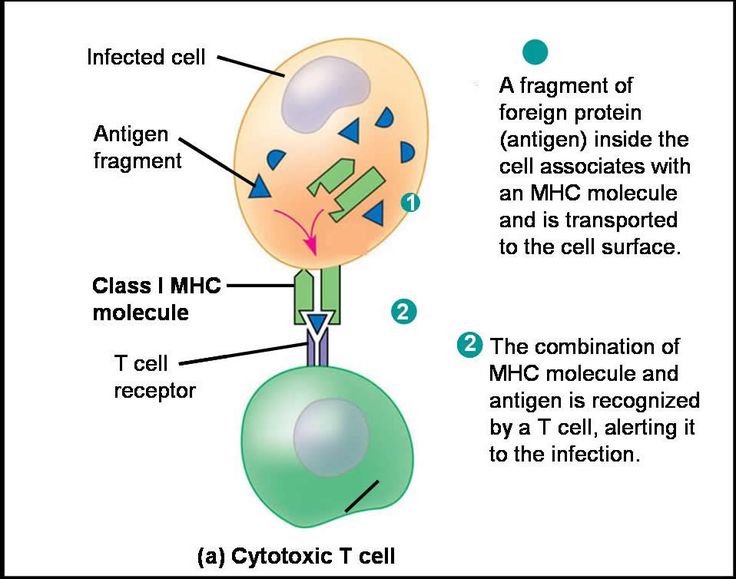
Associate Degree Nursing Physiology Review Medical Laboratory Science Physiology Antigen Presenting Cell

Major Histocompatibility Complex Mhc Faunafondness Antigen Presenting Cell Glial Cells Heat Shock Protein

Mhc Class Ii Structure And Function Biology Exams 4 U Structure And Function Immunology Plasma Membrane

Pediagenosis Extracellular Fluid T Cell Immunology

Pin On Work Related
